April 2, 2026
The Panorama section is traditionally the heart of the Days of European Film. It presents a carefully curated selection of the most interesting and powerful films from the past year – works by established masters that define the direction of contemporary European cinema. This year, you can look forward to masterful adaptations, provocative satires, historical dramas, and poetic documentaries. Here are seven titles that deserve to be seen on the big screen.
The Stranger (L'Étranger, France, dir. François Ozon)
A masterful black-and-white adaptation of Albert Camus’ existential novel. François Ozon sets the story in 1930s Algeria, where Benjamin Voisin delivers a standout performance as the quiet Frenchman Meursault, who grapples with the absurdity of existence after his mother’s death. The film won three Lumière Awards from the French critics and ranks among the most acclaimed European films of the year.
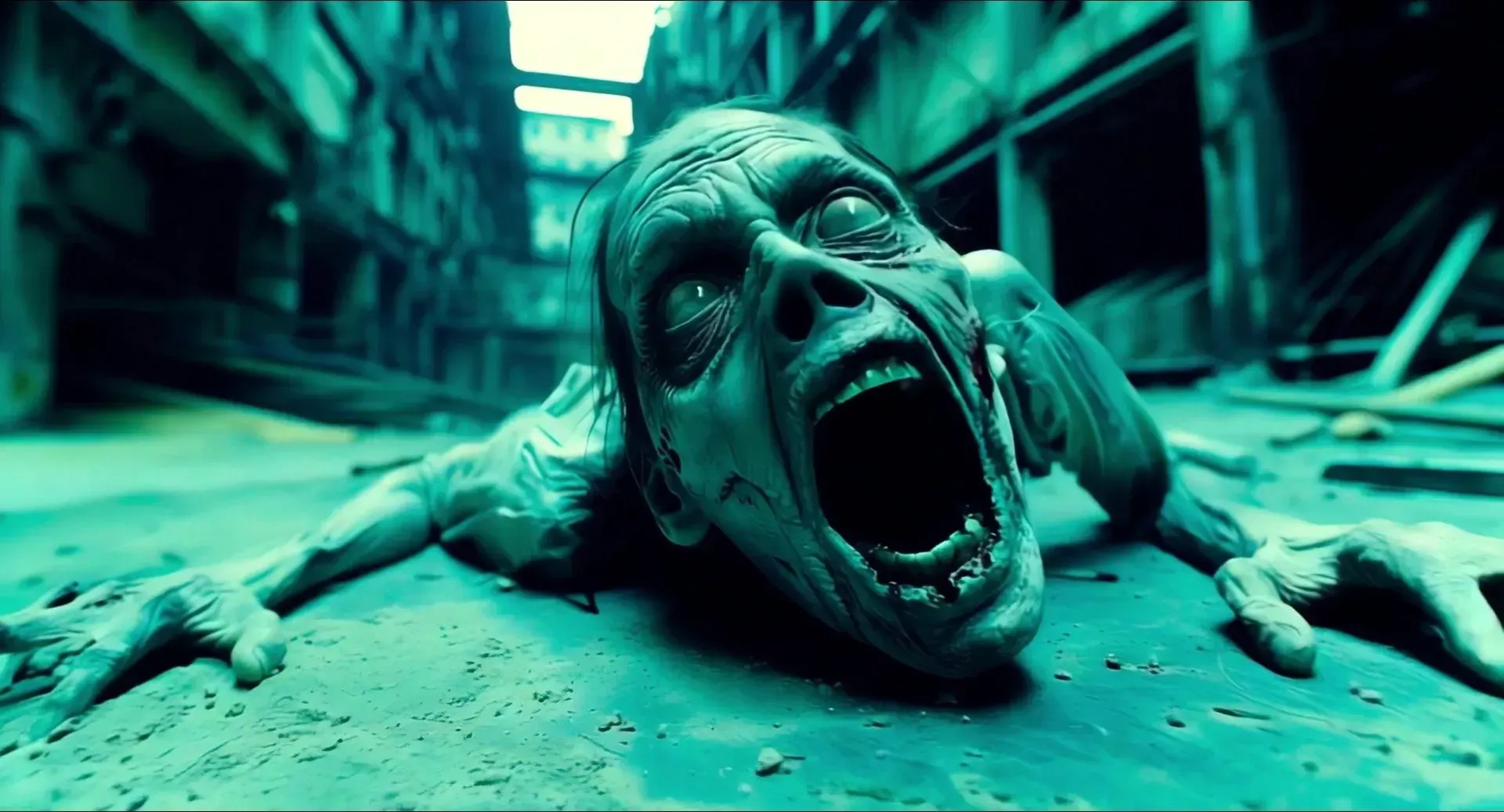
Dracula (Romania, dir. Radu Jude)
One of the most daring and provocative directors of our time, Radu Jude (Aferim!, Do Not Expect Too Much from the End of the World), returns with a highly unconventional take on the vampire myth. This 170-minute satirical colossus is not only a commentary on Romanian history but also a sharp attack on artificial intelligence, capitalism, and contemporary culture. A film full of irony, vulgarity, and unexpected hope.
Winter of the Crow (Poland, dir. Kasia Adamik)
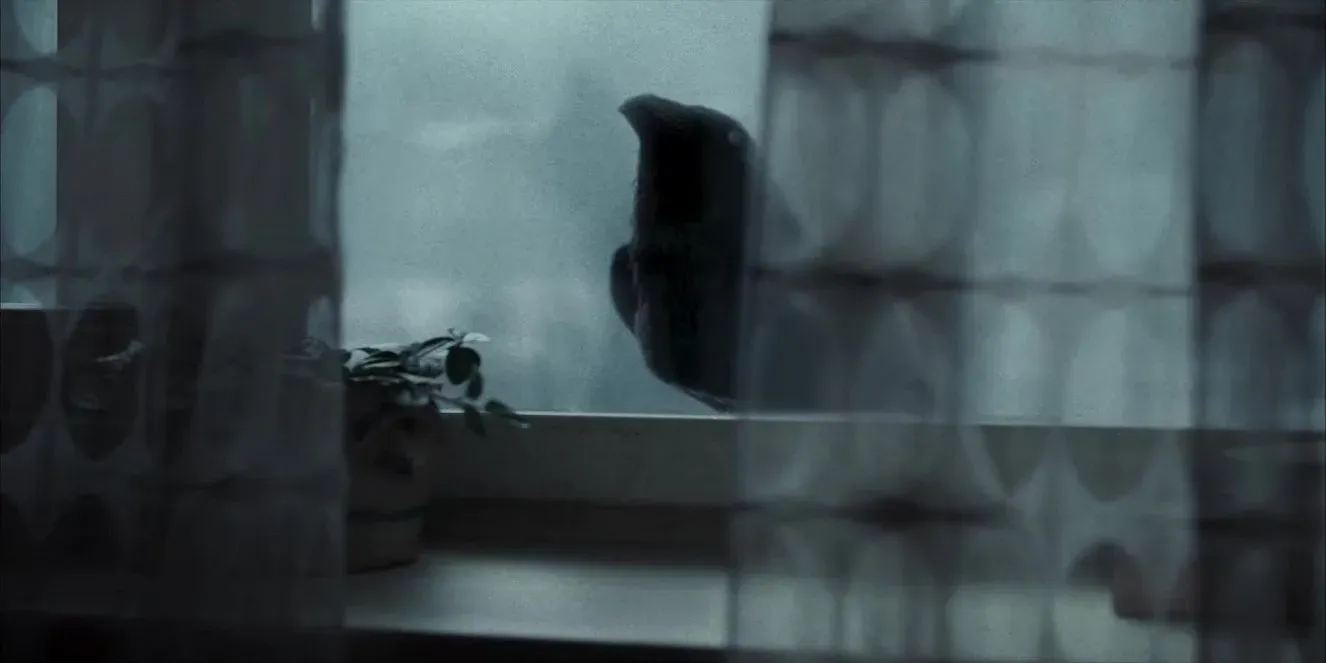
A powerful historical drama set in Warsaw at the end of 1981, just before the declaration of martial law. Lesley Manville shines as an English academic who arrives in socialist Poland, where social tension and student revolts are palpable. Kasia Adamik, daughter of Agnieszka Holland, masterfully captures one of the most critical moments in modern Polish history.
Hunger Strike (Lithuania)
A tense post-communist drama about a television presenter who begins a hunger strike after Russian soldiers occupy the TV station in the early 1990s. The film sensitively yet thrillingly portrays the trauma of the transition from Soviet rule to independence and shows how far a person is willing to go for freedom of speech.
Re-creation (dir. Jim Sheridan)
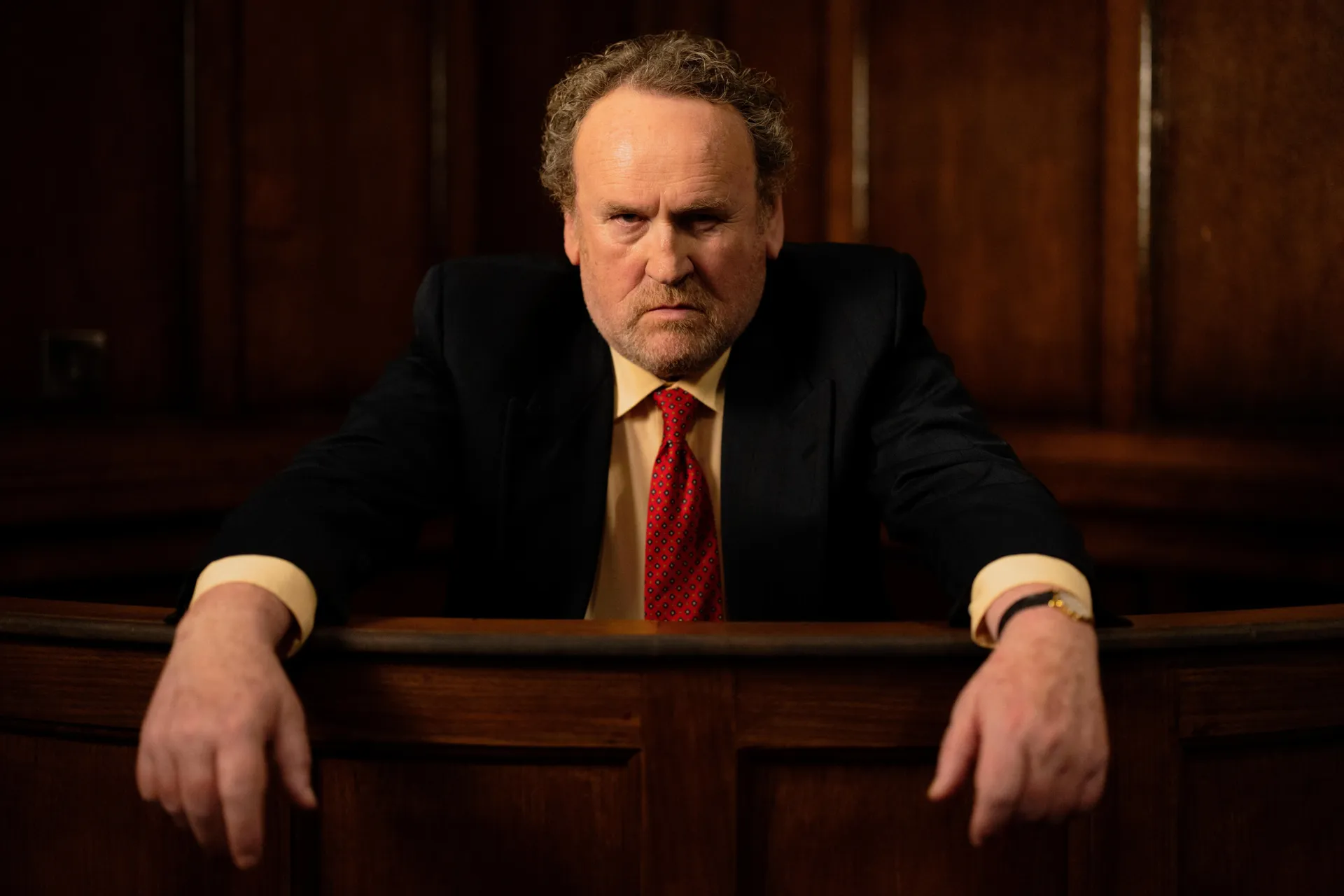
Legendary Irish director Jim Sheridan (My Left Foot) returns with an intense chamber drama about a court case. Twelve jurors, led by Vicky Krieps, must deliver a verdict in what appears to be a straightforward case. The film explores how truth, memory, and the likelihood of guilt shift during the reconstruction of a crime. A powerful acting-driven drama with great emotional depth.
Whispers in the Woods (France, dir. Vincent Munier)
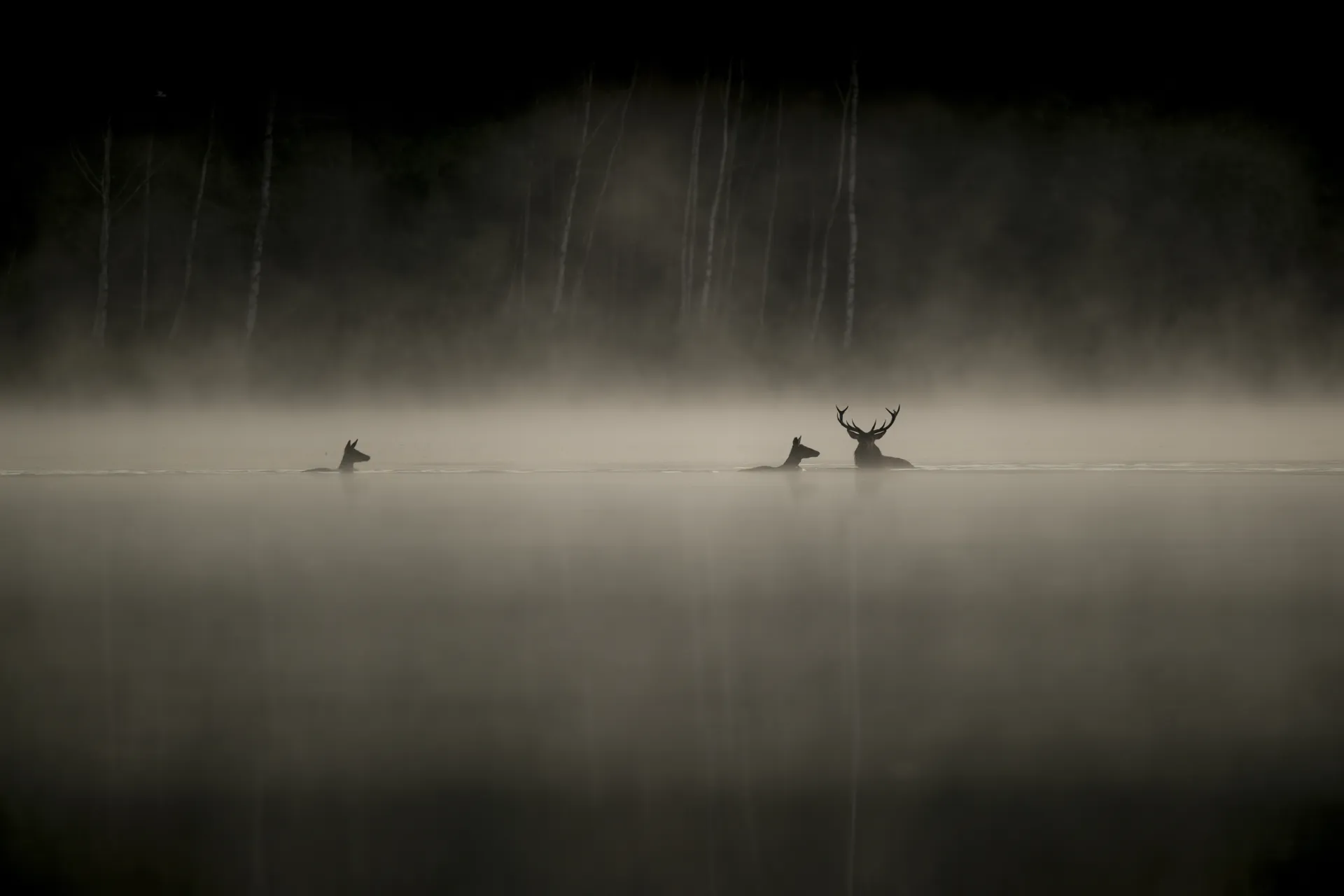
After the success of The Velvet Queen (Sněžný levhart), renowned nature photographer Vincent Munier returns with a visually stunning and intimate documentary from his home region. Whispers in the Woods is a mindful tribute to the beauty and secrets of the French forest, as well as a personal reflection on his relationship with his father. One of the most impressive nature documentaries of recent years will be personally presented by its director at the Czech premiere in Prague.
Little Trouble Girls (Slovenia, dir. Urška Djukić)
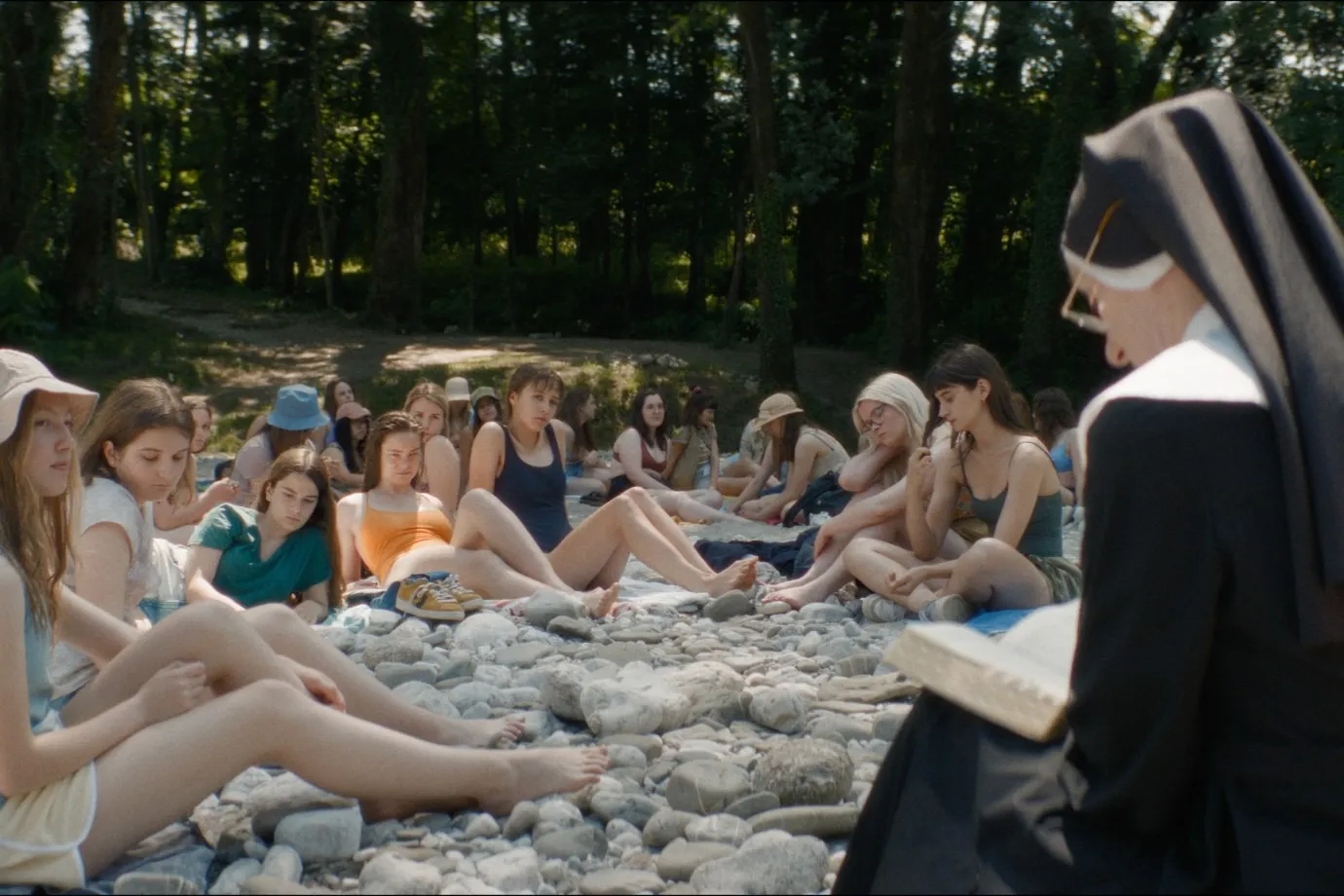
An intimate coming-of-age drama about a teenage girl in the closed environment of a Catholic choir camp. During a summer retreat, she faces a conflict between faith and sexuality, encountering unexpected temptations. A fresh, sensitive, and very contemporary look at adolescence that provides a welcome contrast to the heavier titles in the section.
The Panorama section once again proves that European cinema is alive, diverse, and courageous. From existential philosophy through political satire to a poetic reflection on nature – there is truly something for everyone here. Check the full programme and screening times. The festival runs from 9 to 19 April 2026 in Prague, Brno, Ostrava, and other cities.